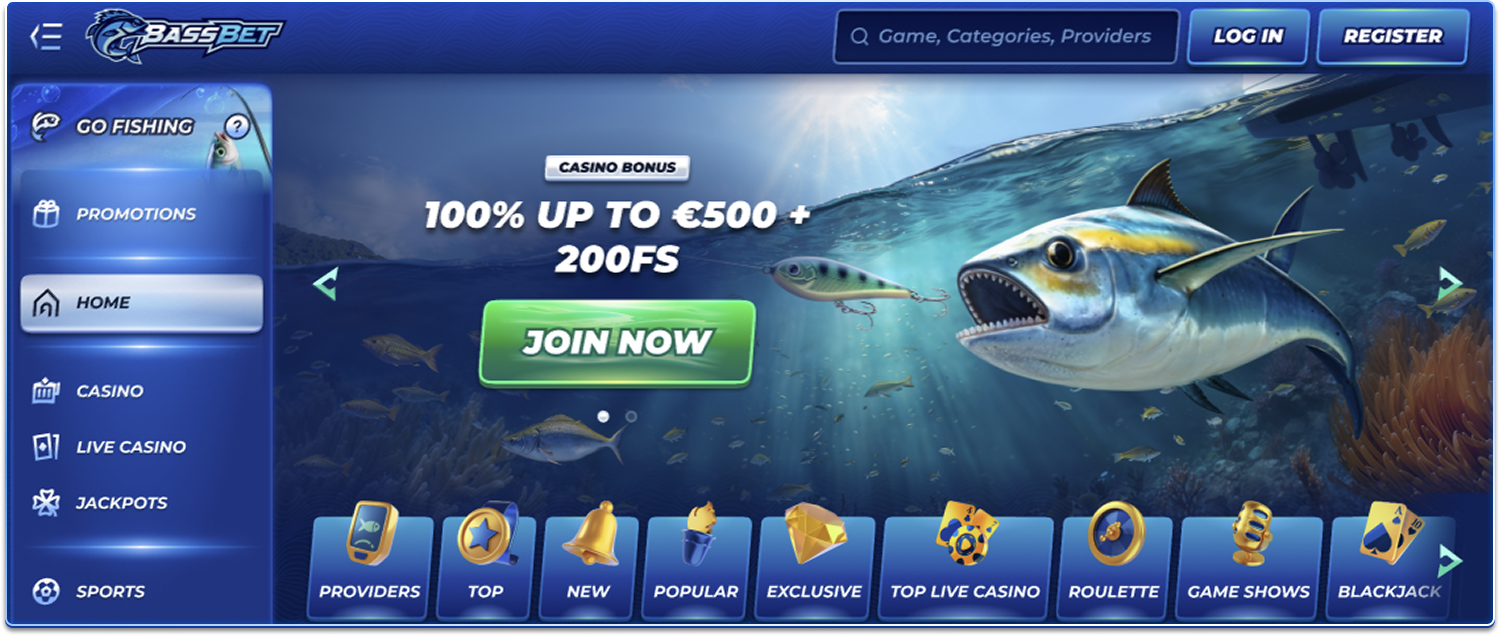
Transitioning a white-label iGaming platform from transactional utility to a loyalty-driven ecosystem through gamification architecture and behavioral design.
Our initial concept for BassBet was a robust, high-performance white-label Design System solution for the international iGaming market. The bet was to provide a “utility-first” platform where speed and security were the primary drivers. We believed that by offering a stable multi-device experience, we would naturally attract and sign new partners who would, in turn, scale the user base across multiple regions.
I directed the design and system architecture in the creation of the core experience. At first, the strategy focused on coverage: launching several localized versions including Greek and international variants. Our component library grew, we launched the first several modules, and we were bullish about taking the product to a general audience.
We signed early partners, scaled localized versions, and grew our component library — but beneath the momentum, we were about to hit an invisible ceiling.
I looked for clues in our behavioral data and talked to international users to find patterns. It turned out the answer was staring us in the face: users viewed the platform as a commodity. Even if they joined for a welcome bonus, they rarely stayed once the promotion ended. Players felt no loyalty to the “skin.”
This lack of emotional resonance meant we were in a vicious cycle of high acquisition costs (CAC) with low lifetime value (LTV). I needed to find a way to keep people engaged more frequently, even when they weren’t actively placing high-stakes bets.
The service felt more like a financial tool than an entertainment experience. To break the cycle, I needed to engineer an “emotional moat” — a reason for users to stay that went beyond the next promotion.
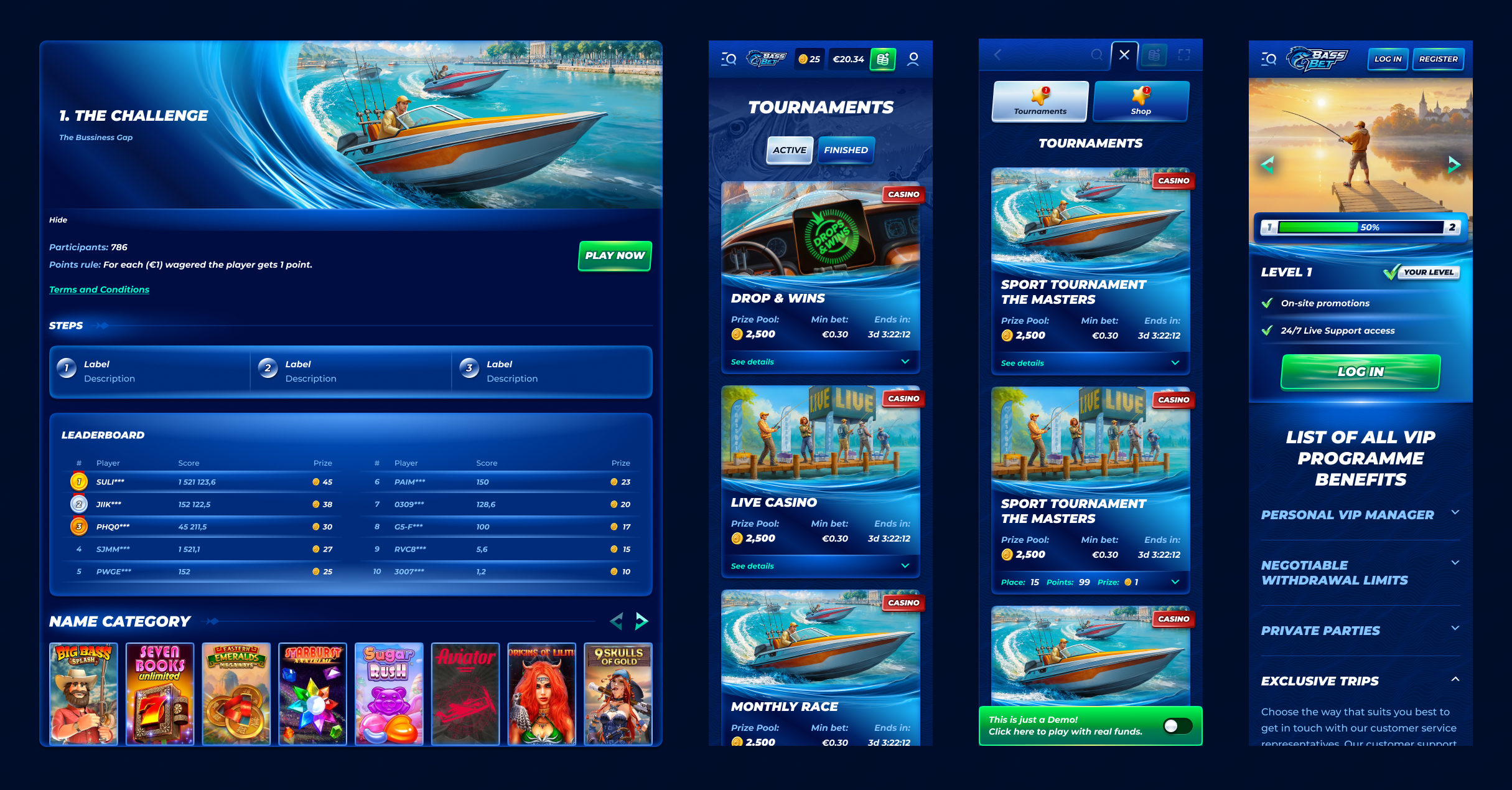
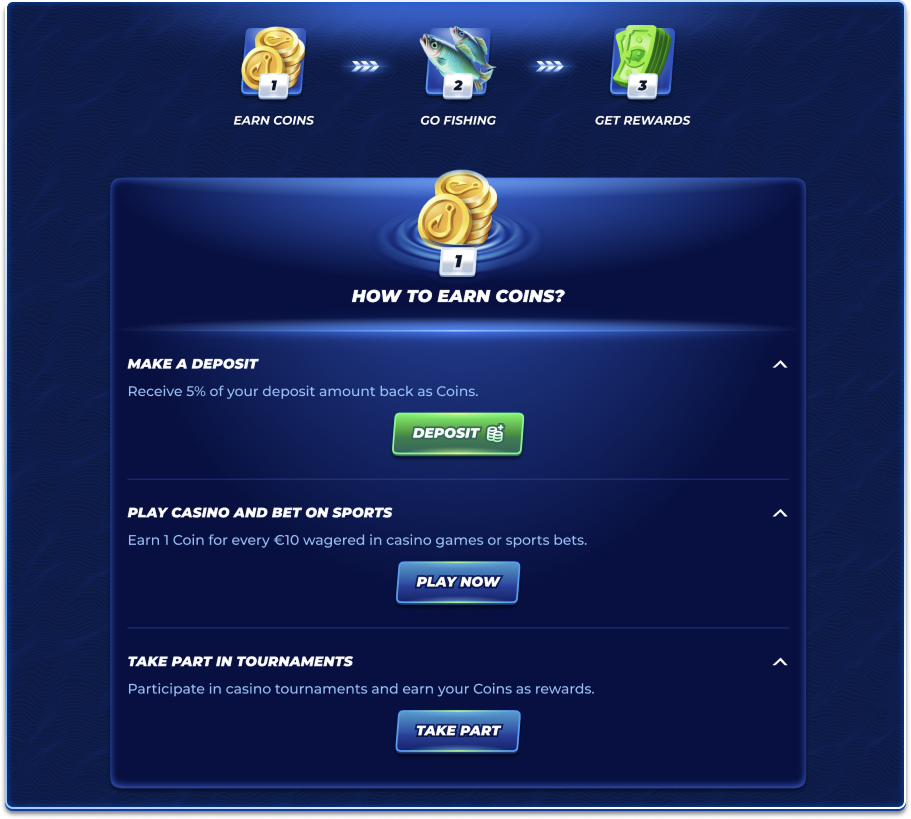
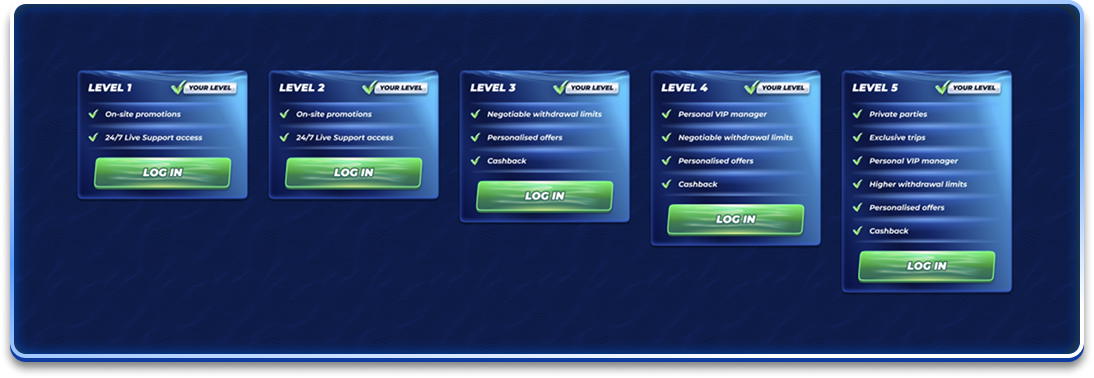
A small strike team gathered, and I facilitated a brainstorming session to generate a new vision: the “Fishing Rival” ecosystem. Our hypothesis was to wrap the existing betting content in a meta-game layer, introducing social commenting, coin collection, and a progression-based VIP system to drive daily habits.
Armed with these ideas, I rapidly generated a conceptual prototype — The North Star Prototype — to match our hypothetical experience. Working with stakeholders, we sourced frequent players to test behaviors like earning coins through tasks and participating in tournaments. As we learned from each session, I incrementally refined the large prototype into modular components that could be added to the white-label roadmap.
When we showed our solution, nearly all participants understood the “Fishing Rival” loop, and a third said they would be very disappointed if we didn’t build it — a strong signal of product-market fit. Three key insights emerged: 80% preferred VIP level mechanics over one-time deposit bonuses; high-rollers preferred tournament-based rewards while casual users liked daily check-ins; and game guides became a critical signal of value.
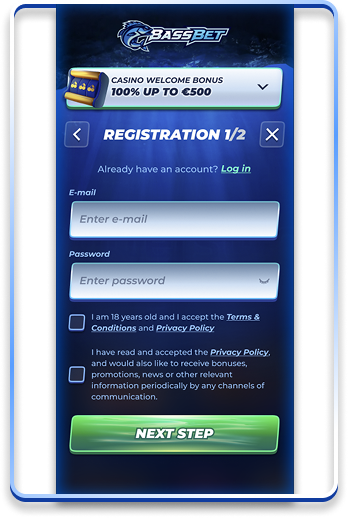
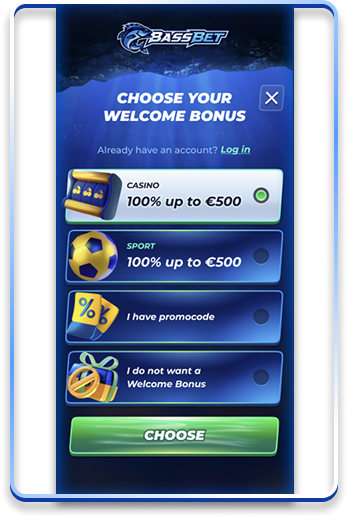
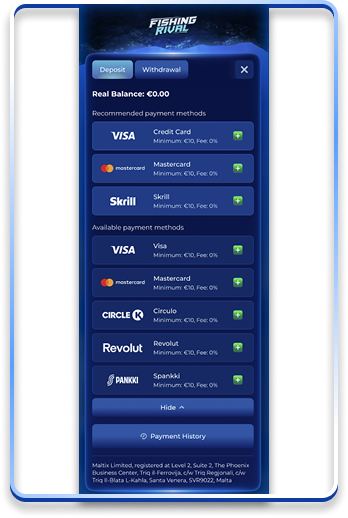
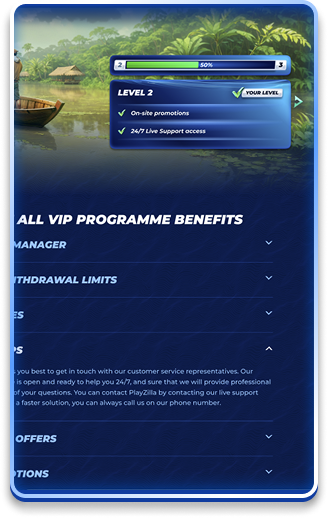
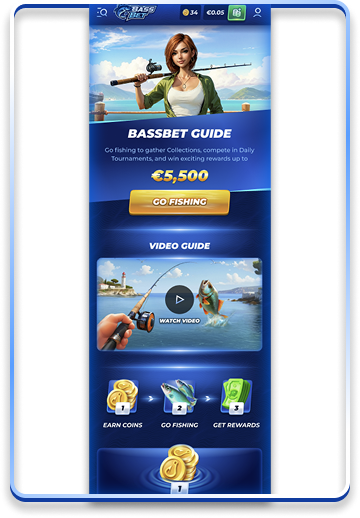
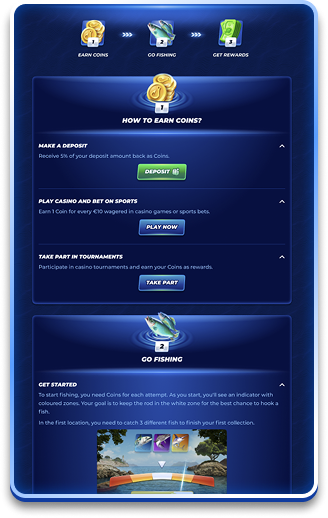
“When we showed our solution, nearly all participants understood the Fishing Rival loop, and a third said they would be very disappointed if we didn't build it.”
— A strong signal of product-maket fit
Finding traction and setting up scale
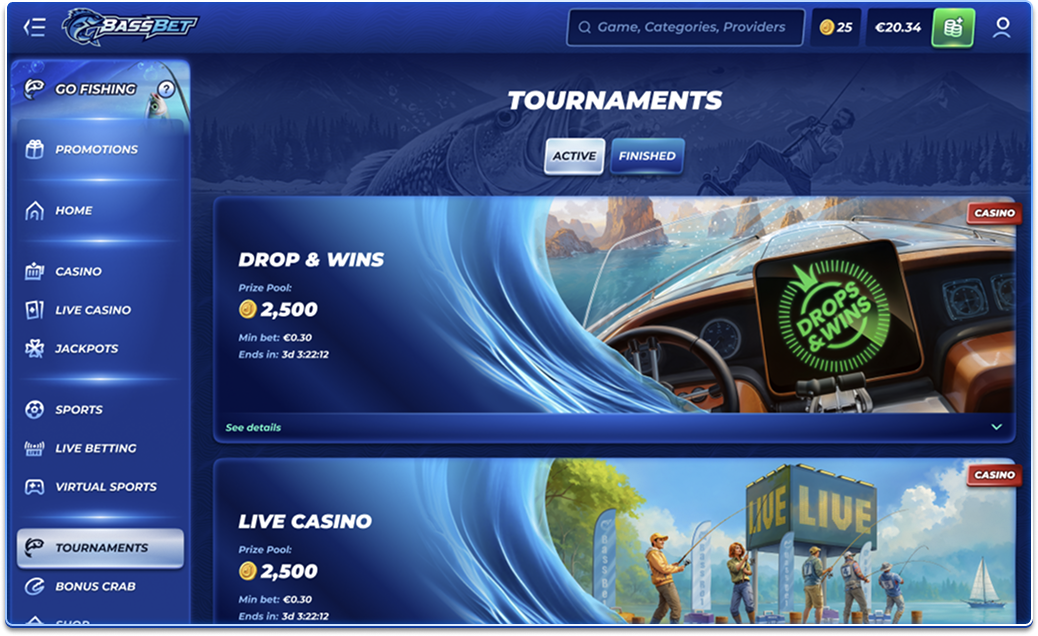
I rapidly adjusted our design system to support a "Gamification-First" B2B use case. Based on the results of our testing, I identified three primary experiences to validate:
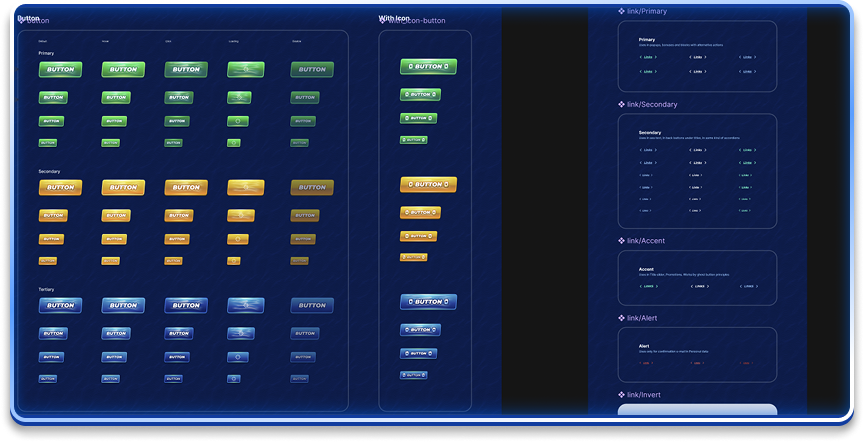
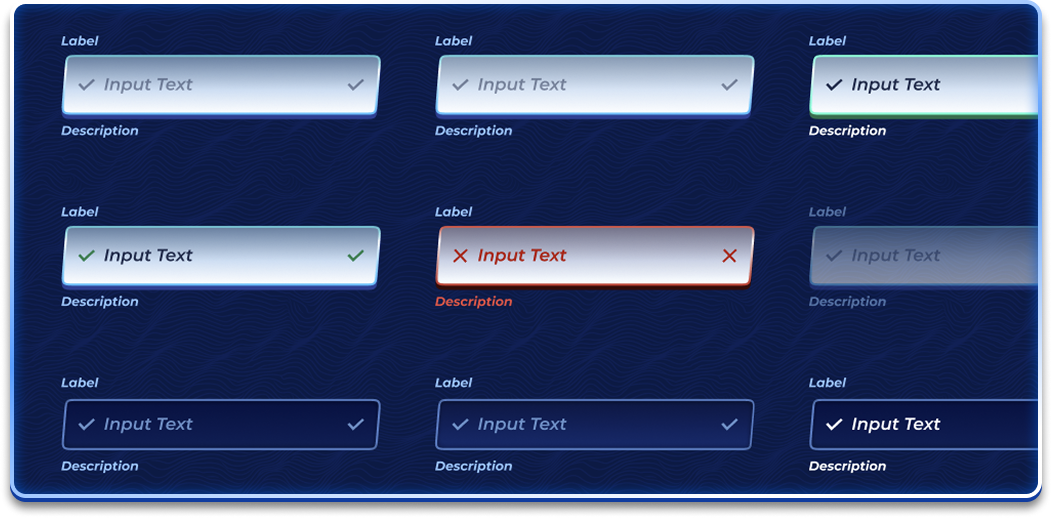
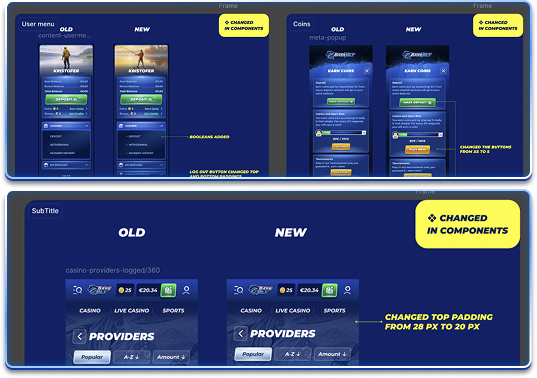
To ensure this vision didn't collapse under technical debt, I implemented a rigorous Status Track System. By categorizing pages as "Ready for Dev" (finalized logic) or "In Progress" (strategic validation), we minimized "Configuration Friction," ensuring developers never wasted resources on outdated versions. This was critical for protecting the ROI of engineering hours.I also led a phase of Granular Technical Refinement, moving beyond simple UI tweaks to optimize pattern efficiency. For instance, I adjusted paddings from 28px to 20px across the "Providers" lists to reduce cognitive load and enhance mobile scalability. By upgrading button scales and implementing Boolean properties within our Figma components, we achieved an 81% efficiency boost in our handoff process.
As a result of the product discovery effort I led, our company transitioned successfully from a consumer-focused "utility" casino to a loyalty-driven B2B ecosystem. We signed customers who brought their teams with them, removed the burden of the "Commodity Trap," and made the platform's complex content significantly more accessible through intuitive, gamified navigation.
The success of this concept led to a shift in focus. Over the next year, the product will move further away from static interfaces toward a SaaS platform powered by “Quiet AI”. This opens opportunities for AI-driven content design, where the system anticipates user intent during registration and delivers personalized game feeds.
There is more to learn, and more to build. In the meantime, my use of design-driven discovery allowed the company to uncover new income streams and evolve despite a crowded and turbulent market.
I also rapidly adjusted the design system to support a “Gamification-First” B2B use case, identifying three primary experiences: Curiosity (interactive game guides), Social (high-fidelity badges and animations for VIP level-ups), and Efficiency (centralized atomic components enabling fast deployment of localized skins).